

Why Successful Women Are Choosing EMDR to Break Through Trauma Barriers
You’ve built an impressive career, maintained relationships, and created what looks like a successful life from the outside. Yet something deeper holds you back from experiencing true joy, authentic connections, and the manifestation of your deepest desires. If you’re a professional woman who feels like past trauma is preventing you from reaching your full potential, EMDR therapy might be the breakthrough you’ve been seeking.
I’m passionate about helping accomplished women like you move beyond survival mode and step into their true power. As someone who has personally navigated the healing journey from sexual abuse and eating disorders, I understand the unique challenges that professional women face when trauma interferes with success, spirituality, and self-love.
At True Mind Therapy in Austin, Texas, I offer EMDR therapy, EMDR Intensives, and Adjunct Therapy designed specifically for women who are ready to dive deep, heal authentically, and unlock their inner strength.
Understanding EMDR Therapy: A Different Path to Healing
Eye Movement Desensitization and Reprocessing (EMDR) therapy represents a revolutionary approach to trauma healing that doesn’t require you to relive painful experiences in excruciating detail. This trauma focused talk therapy works with your brain’s natural processing abilities to help transform disturbing memories and their emotional impact. Eye movement desensitization and reprocessing therapy has emerged as an effective treatment supported by extensive research, including randomized clinical trials demonstrating its effectiveness for treating trauma.
The science behind EMDR centers on the Adaptive Information Processing (AIP) model. When trauma occurs, particularly traumatic events like sexual abuse or other overwhelming experiences, your brain’s normal “filing system” gets disrupted. These traumatic memories become stuck in an activated state, continuing to trigger intense emotions, physical sensations, and negative beliefs long after the actual event has passed. This traumatic stress can manifest as disturbing events that continue to impact your daily life, relationships, and sense of self.
During EMDR sessions, I guide you through bilateral stimulation—typically eye movements, sounds, or tactile stimulation—while you briefly focus on distressing memories. This movement desensitization and reprocessing process mimics what naturally happens during REM sleep when your brain processes and integrates experiences. The bilateral stimulation helps your brain reprocess these stuck memories, reducing their emotional charge and allowing you to develop healthier perspectives about yourself and your experiences. Unlike traditional talk therapy approaches, this trauma processing method helps reduce subjective distress without requiring extensive verbal recounting of traumatic experiences.
What makes EMDR particularly appealing for professional women is its efficiency and the fact that it doesn’t require extensive homework or prolonged exposure to traumatic content. This reprocessing therapy allows you to maintain your busy schedule while still engaging in deep mental health work. Clinical practice guidelines from leading mental health organizations, including the World Health Organization, recognize EMDR treatment as an evidence-based approach for trauma recovery.
Why Professional Women Choose EMDR Therapy
Addressing the Perfectionism-Trauma Connection
Many successful women develop perfectionist tendencies as a way to maintain control and safety after past trauma. While these traits may have helped you excel professionally, they can also create exhaustion, self-doubt, and an inability to truly connect with others or yourself. These negative thoughts and beliefs often stem from unprocessed emotional memories.
EMDR therapy helps address the underlying trauma that fuels perfectionism, allowing you to maintain your high standards while developing more self-compassion and authentic self-worth. You learn to differentiate between healthy striving and trauma-driven behaviors that ultimately limit your joy and fulfillment.
Breaking Through Self-Doubt and Indecision
Traumatic stress often creates internal conflict and self-doubt, even in highly capable women. You might find yourself second-guessing decisions, feeling “not enough” despite external achievements, or struggling with imposter syndrome. These patterns often stem from upsetting memories that disrupted your natural sense of self-trust and inner knowing.
Through EMDR processing, you can resolve the traumatic origins of these negative beliefs and reconnect with your innate wisdom and confidence. As you process traumatic memories and develop positive beliefs about yourself, many women discover that their professional success becomes even more fulfilling when it’s no longer driven by trauma-based fears but by authentic passion and purpose.
Healing Sexual Trauma with Understanding and Safety
Sexual abuse creates particularly complex trauma patterns that can affect every area of life—relationships, intimacy, body image, personal boundaries, and spiritual connection. As a survivor myself, I bring both professional expertise and lived experience to this sensitive work.
EMDR therapy provides a gentle yet effective way to process sexual trauma without requiring graphic recounting of events. You maintain control throughout the process, and we work at a pace that feels safe and manageable for you. My personal journey through healing sexual abuse allows me to create a therapeutic space where you feel truly understood and supported.
Integrating Spirituality and Clinical Excellence
Many professional women are drawn to spiritual growth and deeper self-connection, but trauma can create barriers to these experiences. Feelings of unworthiness, difficulty trusting intuition, or fear of vulnerability can interfere with spiritual practices and personal development work.
I integrate spirituality naturally into the therapeutic process, honoring your beliefs and supporting your desire for deeper spiritual connection. EMDR therapy can actually enhance spiritual growth by clearing trauma-based blocks that prevent you from accessing your full spiritual potential.
The EMDR Process: What to Expect
Initial Assessment and Treatment Planning
During our first session, I conduct a thorough assessment to understand your unique history, current challenges, and healing goals. This isn’t about diving into traumatic details immediately—instead, we focus on understanding your current life situation, relationship patterns, and the ways trauma might be affecting your daily experience.
I take special care to understand your professional life, spiritual interests, and personal aspirations. This comprehensive picture helps me create a personalized treatment plan that honors all aspects of your identity and goals.
Preparation and Resource Building
Before processing traumatic memories, we spend time building your internal resources and coping skills. This phase is particularly important for professional women who may be accustomed to pushing through difficult emotions rather than processing them mindfully. This preparation helps establish basic principles for emotional regulation and trauma processing.
You’ll learn grounding techniques, develop your ability to stay present during emotional experiences, and create internal resources for safety and calm. These coping skills not only support your EMDR work but also enhance your overall emotional regulation and stress management abilities. Some women may also present with co occurring disorders such as anxiety or complex trauma patterns that require additional preparation and support.
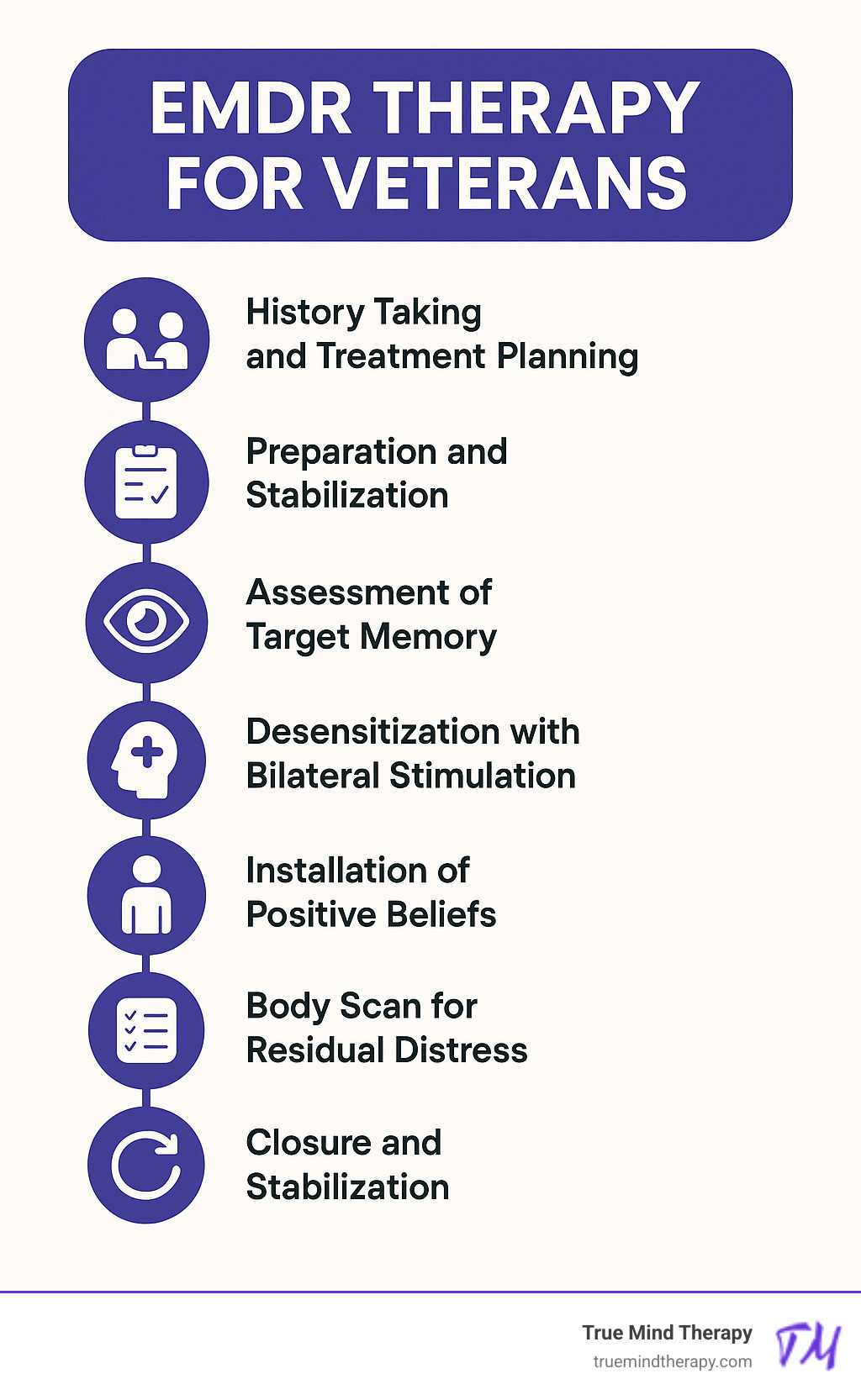
The Eight Phases of EMDR
EMDR follows a structured eight-phase protocol that ensures thorough and safe trauma processing:
Phase 1: History and Treatment Planning – We identify target memories and develop your individualized treatment plan without requiring detailed trauma disclosure.
Phase 2: Preparation – You learn self-soothing and grounding techniques that will support you throughout the healing process.
Phase 3: Assessment Phase – We identify specific traumatic memories to target and assess the negative beliefs associated with these experiences.
Phase 4: Desensitization and Reprocessing EMDR – Using bilateral stimulation through eye movements or other methods, we process the traumatic memory until its emotional intensity decreases significantly.
Phase 5: Installation – We strengthen positive beliefs about yourself and your capabilities, replacing trauma-based negative self-concepts with healthier perspectives.
Phase 6: Body Scan – We check for any remaining physical tension, body sensations, or physiological arousal related to the processed memory.
Phase 7: Closure – Each session ends with grounding and ensuring you feel stable and safe.
Phase 8: Reevaluation – At the beginning of subsequent sessions, we assess your progress and any new material that may have emerged from processing emotional memories.
EMDR Intensives: Accelerated Healing for Busy Professionals
Understanding that professional women often have demanding schedules and may prefer to focus intensively on healing rather than spreading therapy over many months through a weekly treatment format, I offer EMDR Intensives. These concentrated therapy experiences allow you to make significant progress in a shorter timeframe while maintaining the same evidence-based approach supported by trauma focused psychotherapies research.
EMDR Intensives typically involve longer sessions (3-6 hours) conducted over several consecutive days or weekends. This format can be particularly effective because it allows you to stay in the therapeutic process without the interruptions of daily life, leading to deeper breakthroughs and more integrated healing. Research from the National Institute of Mental Health and other leading mental health organizations supports intensive treatment approaches for trauma recovery.
Many women find that intensives fit better with their professional obligations and personal preferences. You can schedule an intensive during a break from work or over a long weekend, allowing you to return to your regular routine with significant progress already made.
Research supports the effectiveness of intensive EMDR formats, showing outcomes comparable to traditional weekly sessions with the added benefit of faster symptom relief and reduced treatment dropout rates.
Addressing Compulsive Behaviors Through Trauma Healing
Compulsive behaviors—whether related to food, work, shopping, perfectionism, or other areas—often serve as coping mechanisms for unresolved trauma. These behaviors may have helped you manage overwhelming emotions or maintain a sense of control, but they can also become barriers to authentic living and genuine self-care.
EMDR therapy addresses the traumatic roots of compulsive behaviors rather than just focusing on symptom management. By processing the underlying trauma that drives these patterns, you can develop healthier coping strategies and experience more freedom in your choices.
As someone who has personally worked through eating disorder recovery, I understand the complex relationship between trauma, control, and compulsive behaviors. This lived experience, combined with clinical expertise, allows me to provide compassionate and effective support for women struggling with similar challenges.
The Neuroscience Behind EMDR: How Your Brain Heals
Recent neuroscience research has provided fascinating insights into how EMDR facilitates healing at the brain level. During traumatic experiences, the brain’s alarm system (amygdala) becomes hyperactivated while the reasoning and memory integration centers (prefrontal cortex and hippocampus) go offline.
This disruption means traumatic memories get stored differently than normal memories—they remain “stuck” in an activated state, triggering fight-or-flight responses even when you’re actually safe. These stuck memories can influence your thoughts, emotions, behaviors, and even physical sensations long after the original trauma.
EMDR’s bilateral stimulation appears to facilitate communication between different brain regions, allowing the stuck traumatic memories to be properly processed and integrated. Brain imaging studies show that after successful EMDR treatment, previously hyperactivated brain regions return to normal functioning patterns.
This neuroplasticity—your brain’s ability to reorganize and heal—means that trauma doesn’t have to be a life sentence. Your brain has an innate capacity for healing, and EMDR provides a pathway to access this natural recovery process.
Creating Safety and Trust in Trauma Therapy
Building safety and trust is fundamental to effective trauma therapy, especially for women who have experienced sexual abuse or other violations of trust. My approach emphasizes collaboration, transparency, and your sense of agency throughout the healing process.
You maintain complete control over the pace and depth of our work together. If something feels uncomfortable or overwhelming, we pause, adjust, and ensure you feel safe before continuing. This approach helps rebuild your sense of personal power and choice, which trauma often disrupts.
My own journey through trauma recovery gives me deep appreciation for the vulnerability required in healing work. I create a therapeutic environment where you can be authentic about your struggles without judgment or pressure to “get better” on any particular timeline.
Integrating Healing with Professional Success
One concern many professional women have about trauma therapy is whether addressing painful experiences will somehow undermine their professional capabilities or emotional stability. In reality, the opposite tends to be true—resolving trauma often enhances professional performance by reducing the energy drain of managing symptoms and increasing authentic confidence.
When trauma is processed and integrated, you can access your full cognitive and emotional resources rather than having significant mental energy tied up in managing triggers, hypervigilance, or emotional reactivity. Many women find that their professional relationships improve, their decision-making becomes clearer, and their leadership abilities expand as they heal.
The self-awareness and emotional regulation skills developed through EMDR therapy often translate directly into enhanced professional capabilities. You learn to trust your intuition, set healthier boundaries, and communicate more authentically—all valuable skills in any career.
Building Deeper Relationships and Authentic Connection
Trauma can create barriers to intimate relationships and genuine connection with others. You might find yourself maintaining emotional distance, struggling with trust, or having difficulty being vulnerable even with people you care about deeply.
EMDR therapy helps resolve these relationship barriers by addressing their traumatic origins. As you heal, you often discover a greater capacity for authentic intimacy, improved communication skills, and the ability to maintain appropriate boundaries while still connecting deeply with others.
Many women report that their relationships—both personal and professional—become more fulfilling and genuine as they progress through trauma healing. You learn to relate to others from a place of wholeness rather than from wounds, creating space for more satisfying and supportive connections.
Supporting Your Spiritual Growth and Inner Power
Trauma can disconnect you from your spiritual nature and inner wisdom. You might struggle to trust your intuition, feel unworthy of spiritual connection, or find it difficult to access the sense of purpose and meaning that guides your life decisions.
I honor the spiritual dimension of healing and support your desire to reconnect with your inner power and spiritual truth. EMDR therapy can actually enhance spiritual growth by clearing trauma-based blocks that interfere with your natural spiritual connection.
As you heal from trauma, many women experience a deepening of their spiritual practice, greater trust in their intuitive guidance, and a stronger sense of their life purpose. This spiritual integration becomes a powerful resource for ongoing growth and resilience.

The Importance of Therapist Fit and Lived Experience
Choosing a therapist who understands your specific challenges and can create genuine safety is crucial for trauma healing. My personal experience as a survivor of sexual abuse and eating disorders provides unique insight into the healing journey you’re embarking upon.
This lived experience doesn’t replace professional training and clinical skills—it enhances them. I bring both the compassion of someone who has walked a similar path and the expertise of someone trained in evidence-based trauma treatment approaches.
Many women find it particularly meaningful to work with a therapist who has successfully navigated their own trauma healing. It provides hope that healing is truly possible and creates a different quality of understanding and connection in the therapeutic relationship.
Taking the First Step: Your Healing Journey Begins
If you recognize yourself in this description—a successful woman whose trauma history is interfering with your ability to experience true joy, authentic relationships, and spiritual fulfillment—EMDR therapy may be the path to the breakthrough you’ve been seeking.
The healing journey requires courage, but you don’t have to navigate it alone. I’m here to support you every step of the way, bringing both professional expertise and personal understanding to this sacred work of reclaiming your wholeness and power.
Your trauma doesn’t define you, but healing from it can transform everything. You deserve to experience the full richness of life without the weight of unresolved trauma holding you back from your true potential.
Ready to explore how EMDR therapy can support your healing journey? I invite you to reach out and begin this conversation about your path to healing and empowerment. Contact True Mind Therapy to learn more about my approach and to discuss how we can work together to help you step into your full power and authentic self.
The life you envision—filled with genuine joy, meaningful relationships, spiritual connection, and professional fulfillment—is not only possible but waiting for you on the other side of healing. Your journey toward wholeness and empowerment can begin today.